Retaining Talent in Nonprofits: Building Career Pathways, Culture, and Commitment
Why Mission-Driven Organizations Must Invest in the People Behind the Mission
Practical Strategies to Retain Talent and Strengthen Your Mission
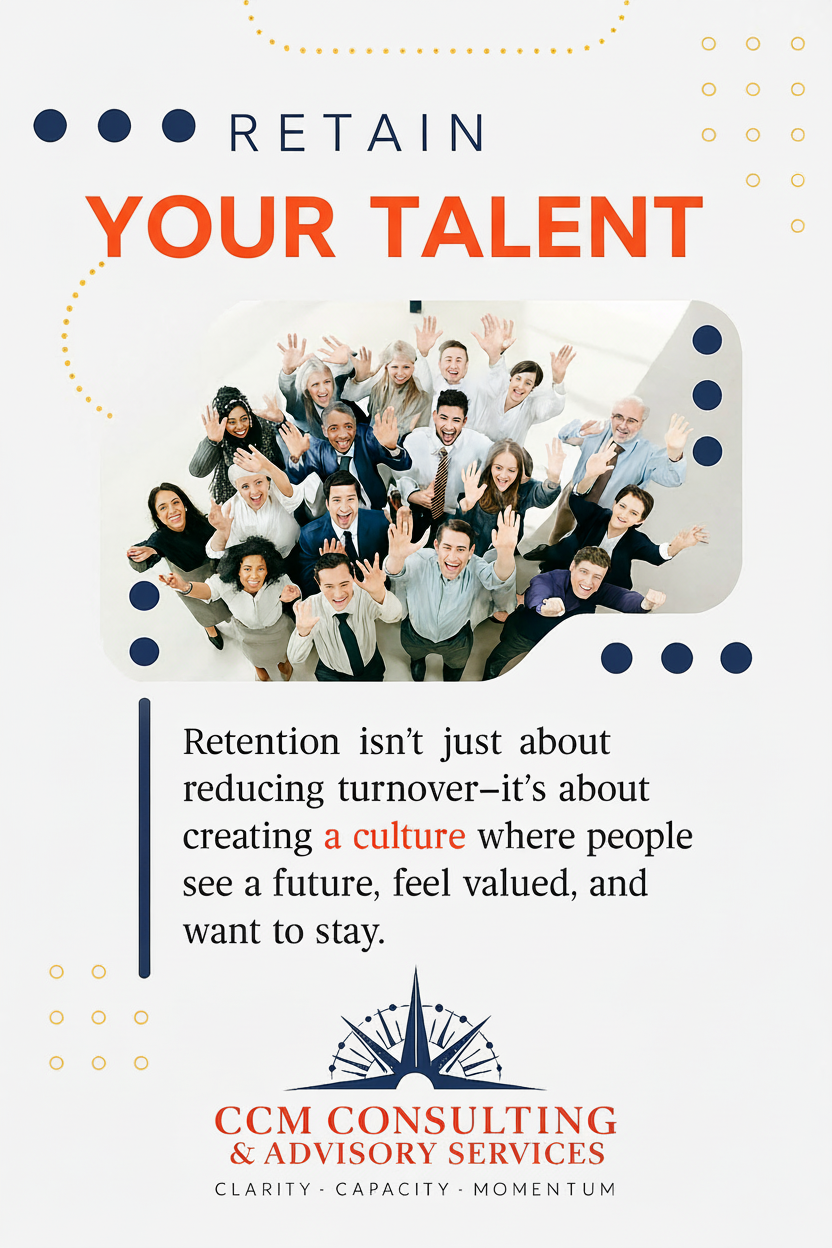
Your mission depends on your people. Retaining great staff isn't just about reducing turnover - it's about creating a workplace where talented, values-driven professionals want to stay, grow, and do their best work. When nonprofits invest in retention, they safeguard institutional knowledge, strengthen relationships with donors and partners, and ensure continuity for the communities they serve. This article offers practical, leadership-level strategies for nonprofit directors and board chairs to build a culture that keeps great people.
Why Retention Matters
Retention supports impact. Every time a key staff member leaves, programs pause, momentum slows, and connection to beneficiaries and stakeholders is disrupted. The true cost of turnover includes recruitment time, onboarding, lost productivity, and lost relationships.
Retention protects reputation. Donors and partners notice constant churn. A stable team signals organizational health, good stewardship, and leadership that plans ahead.
Retention builds capacity. Long-tenured staff take ownership, innovate, and mentor others. They improve systems, tighten operational discipline, and help the organization weather crises without losing its footing.
Retention isn't a "nice to have" - it's a strategic imperative for mission delivery.
Common Reasons Employees Leave (Beyond Salary)
While pay matters, most departures in mission-driven organizations stem from conditions leaders can influence directly:
- Limited advancement pathways - many nonprofits have flat structures, and staff don't see how to grow or lead without changing organizations
- Feeling undervalued - recognition often concentrates on volunteers, donors, and program outcomes, not the staff who make those outcomes possible
- Burnout and workload imbalance - when scarce resources make heroic effort the norm, burnout follows
- Lack of ongoing development - without skill-building, people stagnate and feel their contribution plateauing
- Unhealthy or inconsistent culture - if trust is low, communication poor, or behaviors inconsistent with values, people opt out
The good news: each of these is solvable with intentional leadership and practical structures.
Strategy 1: Create Clear Career Pathways
Define levels within roles - Coordinator, Specialist, Manager, Director - with clear competencies and behaviors so people can grow without changing titles every year. Build dual career tracks for both leadership and subject-matter experts so advancement doesn't require managing people. Offer stretch projects, cross-functional initiatives, and cross-training rotations that expand skills and influence. Publish promotion criteria and make internal candidacy the default for open roles. The leadership signal: "We invest in growth here. You don't have to leave to step up."
Impact: Clear career pathways give mission-driven staff a reason to stay - and grow - without leaving your organization.
Strategy 2: Foster Recognition That Feels Real
Close one meeting a week with values-linked shout-outs. Introduce a simple peer recognition mechanism - "mission moments" - shared in newsletters or town halls. Celebrate work anniversaries and project completions with a personal note from the ED or Board Chair that highlights specific impact. Pair public appreciation with private one-on-one notes that speak to the person's strengths. The leadership signal: "We notice the work and the people behind it."
Impact: Specific, timely recognition costs nothing - and is one of the highest-return investments a leader can make in retention.
Strategy 3: Invest in Development Without Breaking the Budget
Curate quarterly learning themes with free or low-cost webinars, articles, and internal teach-backs. Pair early-career staff with seasoned team members and rotate "brown bag" sessions where staff share expertise. Create backups for key functions through cross-training - it reduces single-point risk and keeps work interesting. Offer modest stipends for courses and certifications that align with strategic priorities. The leadership signal: "We're a learning organization. Growth is part of the job."
When people feel like they're growing, they stop looking for the exit.
Impact: A culture of learning builds loyalty, deepens bench strength, and signals to staff that their future belongs here.
Strategy 4: Promote Sustainable Work Practices
Conduct quarterly workload audits - prioritize ruthlessly and drop or delay low-value tasks. Offer flexibility around scheduling, remote days, or compressed workweeks during slower periods where feasible. Define what constitutes urgent vs. important and rotate on-call responsibilities to avoid reactive culture creep. Normalize PTO use, encourage mental health days, and train managers to spot burnout early. The leadership signal: "We deliver results sustainably. Rest is not a reward; it's a requirement."
Impact: Sustainable work practices reduce burnout-driven turnover and signal a leadership culture worthy of long-term commitment.
Strategy 5: Build a Culture Anchored in Trust
Translate values into observable behaviors so staff know what they look like in practice. Be transparent about how decisions are made - close the loop with "Here's what we heard, here's what we decided, here's why." Train managers to invite dissent, ask "What might we be missing?", and thank people for candor. Audit policies and norms for equity impacts across leave, scheduling, and development access - and fix gaps quickly. The leadership signal: "We live our values - especially when it's hard."
Trust is built in small moments - and lost in them too. Consistency is everything.
Impact: A trust-anchored culture makes your organization the place people choose, recommend, and return to.
Action Steps for Directors and Board Chairs
Retention rises when boards and executive leadership take aligned, visible action.
At the governance level: set retention goals in the strategic plan, budget for development and recognition as non-negotiables, and monitor quarterly dashboards with turnover by function, exit interview themes, and engagement trends.
At the executive level: model the norms you want to see, invest in manager capability (feedback, coaching, equitable practices), and communicate regularly - "no update yet" is always better than silence.
At the board-staff interface: keep the board at the governance level, route staff concerns through the ED respectfully, and invite staff to present their work to the board to celebrate contributions publicly.
Measuring What Matters
Track a handful of indicators consistently:
- Voluntary turnover rate - overall and by department
- Time-in-role distribution - how many are growing vs. stuck
- Internal fill rate for new roles
- Engagement survey scores on recognition, development, workload, and trust
- PTO utilization and after-hours email volume as a proxy for burnout
- Exit interview themes - categorize and trend quarterly
- Promotion and training participation metrics by demographic to ensure equity
Review quarterly, discuss openly, and tie improvements to specific actions.
Practical Tools You Can Use This Quarter
Career Conversation Template (30 minutes): Open with "What's exciting you in your work right now?" Explore "Which skills do you want to grow in the next 6–12 months?" Discuss "What projects could help you get there?" Identify "What training or mentorship would be most helpful?" Close with 2–3 concrete steps and a check-in date.
Recognition Rhythm: Weekly - 2–3 values-linked shout-outs in team meetings. Monthly - a short note from the ED highlighting specific impact. Quarterly - share "mission moments" in a town hall with peer nominations.
Workload Reset: Identify the top 5 priorities. List recurring tasks that don't directly support those priorities - drop, delegate, or delay. Define response expectations and schedule focused deep-work blocks.
Common Pitfalls to Avoid
- Announcing culture change without changing systems - align policies to new norms or staff will see it as lip service
- Overloading high performers - if their reward for excellence is more work without support, you're training them to leave
- One-size-fits-all development - tailor it to each person's strengths and aspirations; choice increases engagement
- Skipping exit interviews or ignoring the themes - exit data is gold; synthesize quarterly and act visibly
Make Retention a Strategic Choice
Keeping great people is not the result of luck or high salaries - it's the outcome of daily leadership choices and clear structures that make growth, recognition, learning, and wellbeing part of the job. Start today with one action: schedule a career conversation with each direct report, send three specific thank-you notes this week, audit one team's workload and remove two non-essential tasks, or publish a short note explaining a recent decision and the rationale behind it.
Small, consistent steps - owned by leadership and supported by systems - create the kind of nonprofit where great people choose to stay. At CCM Advisory, we help nonprofits build people-first strategies that reduce turnover, strengthen organizational culture, and move missions forward with steady, compounding momentum.
Ready to Build a Retention Strategy That Works?
If your organization is experiencing turnover, struggling to develop internal talent, or simply ready to be more intentional about your people strategy, CCM Advisory is here to help. We partner with nonprofit leaders to design practical, mission-aligned solutions - from workforce planning and culture assessments to leadership development and board engagement.
Let's start with a conversation. Reach out directly to Scott Costello at scott@ccmadvisory.com or call 352.281.2072. We'd love to learn about your organization and explore how we can help you keep the great people who make your mission possible.
About the Author
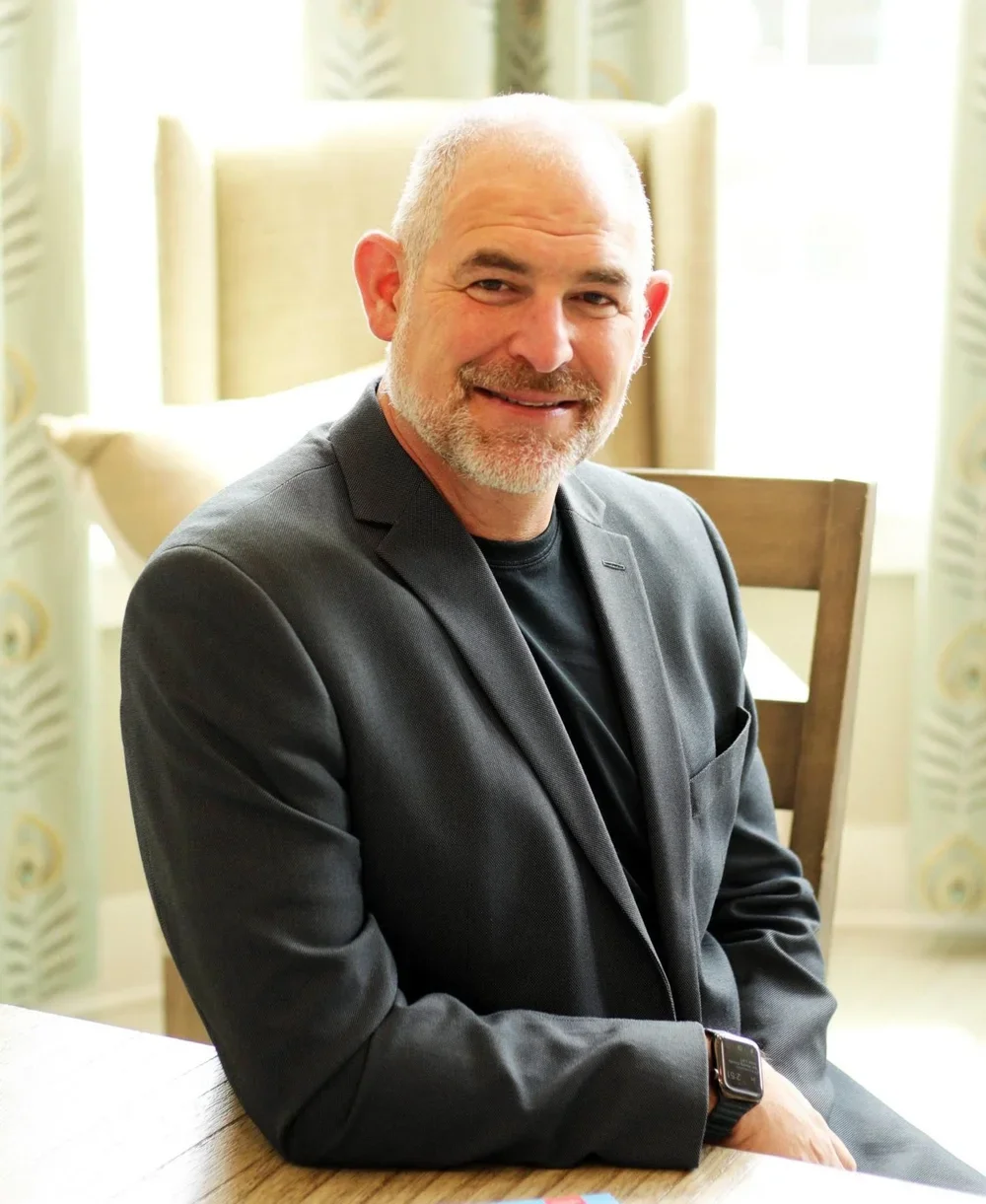
Scott CostelloFounder & CEO, CCM Consulting & Advisory Services
With 25+ years of experience in economic development, philanthropy, and civic engagement across Florida, Scott helps nonprofits and small businesses gain clarity, build capacity, and sustain momentum.
Get Started
Let's Build Something Together
Whether you're a nonprofit seeking strategic growth or a business ready to scale, CCM Consulting is here to help.