Stop Asking "How Do We Raise More?"
5 Questions You Should Ask Instead
Most nonprofit fundraising conversations start with the same question:
"How do we raise more money?"
It's understandable. Revenue pressure is real. Costs are rising. Donors feel less predictable. Boards want answers.
But here's the uncomfortable truth. That question is no longer the most important one, and in many cases, it is the wrong place to start.
In today's funding environment, nonprofits do not struggle because they lack tactics. They struggle because they are operating on assumptions that no longer hold.
The organizations that adapt fastest are not asking how to raise more. They are asking better questions altogether.
The Problem With "How Do We Raise More?"
On the surface, it sounds strategic. In practice, it usually leads to:
- More campaigns layered onto an already stretched team
- Incremental tweaks to existing tactics
- Chasing trends without understanding risk
- Short-term wins that increase long-term fragility
It assumes the core system is sound and only needs to be pushed harder.
For many nonprofits, that assumption is no longer safe.
Question 1: Where Are We More Vulnerable Than We Realize?
Many nonprofits appear stable on paper while carrying hidden risk beneath the surface.
Ask yourself:
- What percentage of our revenue depends on just a few donors, grants, or events?
- What would happen if one major funding source disappeared next year?
- Which revenue streams feel reliable simply because they always have been?
Past performance is no longer a guarantee of future stability. The organizations most exposed are often the ones that feel the most confident.
Question 2: Which Parts of Our Fundraising Are Based on Outdated Assumptions?
Much of today's fundraising infrastructure was built for a different era.
An era with:
- More predictable donor behavior
- Less economic volatility
- Fewer competing causes and platforms
Consider:
- Are our engagement strategies aligned with how donors actually make decisions today?
- Are we planning based on tradition or evidence?
- Are we optimizing tactics that may no longer deserve to exist?
Not every legacy approach is wrong, but many are no longer sufficient.
Question 3: What Is Our Development Team Being Asked to Carry Alone?
Development teams are under immense pressure.
They are expected to:
- Execute campaigns
- Maintain relationships
- Hit goals
- Innovate
- Adapt to change without dropping results
That is not a talent issue. It is a structural one.
Internal teams are hired to operate within a system, not redesign it while running at full speed. When adaptation becomes constant, leadership must decide where external perspective and capacity are necessary.
This is not about replacing staff. It is about protecting them.
Question 4: If We Looked at Revenue Like a Risk Portfolio, What Would Concern Us?
Imagine reviewing your funding model the way a financial advisor reviews investments.
You might ask:
- Where are we over-concentrated?
- How liquid are our revenue sources?
- How exposed are we to external forces we cannot control?
- Do we have buffers, or just optimism?
When viewed this way, many nonprofits realize they do not have a fundraising problem. They have a risk management problem.
Question 5: Who Is Responsible for Ongoing Fundraising Strategy, Not Just Execution?
Most nonprofits are excellent at doing fundraising.
Far fewer have someone accountable for:
- Monitoring shifts in donor behavior
- Stress-testing revenue assumptions
- Identifying emerging risks early
- Adjusting strategy before results decline
Strategy is not a one-time plan. In a volatile environment, it is an ongoing discipline.
The Shift CEOs Are Making
Forward-thinking nonprofit CEOs are moving away from asking: "What campaign should we run next?"
And toward asking: "How do we ensure our revenue model stays resilient as conditions change?"
That shift changes everything, from how teams are supported, to how boards govern, to how external partners are engaged.
A Final Thought
If your fundraising challenges feel harder to solve than they used to, you are not imagining it.
The landscape has changed. The questions must change with it.
In many cases, navigating that shift is not about adding more effort. It is about adding ongoing strategic attention that allows your organization to adapt before pressure turns into crisis.
A Consultative Starting Point
If these questions are beginning to surface for your organization, CCM often helps nonprofit leaders take an initial step by creating space to think clearly about their funding model. That typically starts with a focused, low-pressure conversation to understand your context, identify where assumptions may no longer hold, and clarify what deserves attention now versus what can wait. The goal is not to rush toward solutions, but to bring perspective and structure to decisions that are becoming more complex.
For many leaders, that initial clarity becomes the foundation for more confident decisions over time.
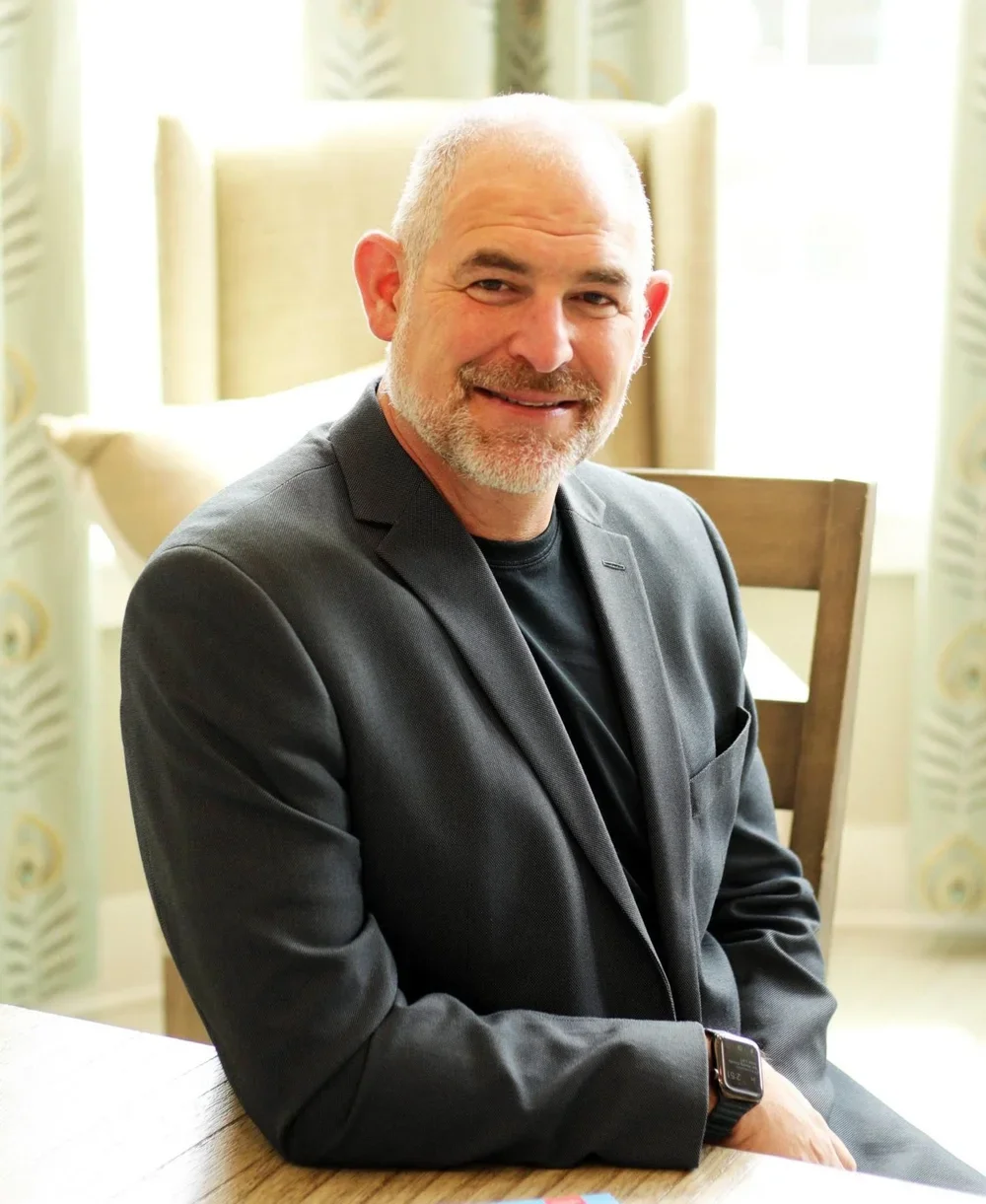
About the Author
Scott CostelloFounder & CEO, CCM Consulting & Advisory Services
With 25+ years of experience in economic development, philanthropy, and civic engagement across Florida, Scott helps nonprofits and small businesses gain clarity, build capacity, and sustain momentum.
Get Started
Let's Build Something Together
Whether you're a nonprofit seeking strategic growth or a business ready to scale, CCM Consulting is here to help.